



- Greetings from the president
- Greetings
- Best Paper Awards
- The successful autumn academic conference in the amid of COVID-
- 2019 KSES American Traveling Fellow 연수기
- The 29th Annual International Congress of KSESr
- 의료칼럼: 3D navigation guided reverse shoulder arthroplasty
- 견슬라이더컵 골프대항전 대표선수 선발전 공지
- 학회 지난 소식들
- 회원동정
- 학회 신입회원 명단
Participation in the 2026 KSES – SOFEC Exchange Travelling Fellowship program
Korean Shoulder Traveling Fellowship 2026: More Than a Fellowship
Participating in the 2026 Korean Shoulder Traveling Fellowship was a unique privilege and undoubtedly one of the most memorable experiences of my early career as a shoulder surgeon.
From March 26 to April 10, together with my colleague Dr. Yoann Dalmas and under the guidance of Dr. Jérôme Garret, I had the opportunity to discover Korea, its culture, and most importantly, the remarkable community of shoulder and elbow surgeons gathered within the Korean Shoulder and Elbow Society (KSES).
Our journey began in Busan during the annual KSES Congress. The scientific level of the meeting was outstanding. Beyond the quality of the presentations, I was particularly impressed by the openness of discussions and the willingness of Korean surgeons to share their experience, techniques, and research ideas. The congress provided an excellent overview of current trends in shoulder surgery in Asia and highlighted the strong academic activity of Korean institutions.
During the following two weeks, we visited numerous centers across Busan, Daegu, Yeosu, and Seoul. Each institution had its own identity and strengths, yet all shared the same commitment to surgical excellence, innovation, and education. Observing surgeries performed by internationally recognized experts allowed us to discover different perspectives on the treatment of rotator cuff disease, shoulder instability, irreparable cuff tears, and shoulder arthroplasty.
One aspect that particularly impressed me was the integration of biological augmentation into daily clinical practice. In France, many of these techniques remain limited to selected indications, whereas Korean surgeons have developed extensive experience with biological strategies aimed at optimizing tendon healing and improving outcomes. The discussions surrounding these approaches were both stimulating and inspiring.
Beyond surgical techniques, I was equally impressed by the quality of clinical databases and research organization within Korean centers. The rigorous collection of clinical and radiological data reflects a strong culture of scientific inquiry and undoubtedly contributes to the high level of research produced by Korean teams.
However, what I will remember most is not only the science, but also the people. Everywhere we traveled, we were welcomed with extraordinary kindness and generosity. Our hosts shared not only their operating rooms and academic expertise but also their culture, traditions, and friendship. The many dinners, conversations, and moments spent together created meaningful connections that extended far beyond professional exchange.
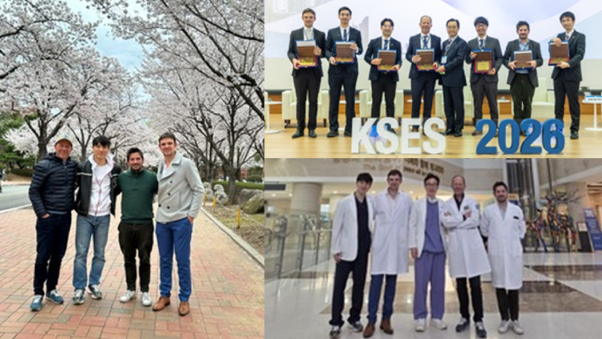
This fellowship demonstrated the importance of international collaboration in advancing our specialty. By learning from different healthcare systems and surgical philosophies, we broaden our perspectives and ultimately improve patient care.
I would like to express my sincere gratitude to all the Korean surgeons who welcomed us so warmly, and to the KSES leadership for organizing such an exceptional program. I am confident that the friendships and collaborations established during these two weeks will continue to grow in the years ahead.
I look forward to welcoming our Korean colleagues to France in 2027 and continuing the strong relationship between our societies.
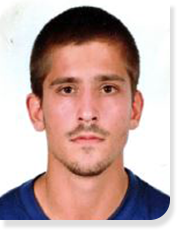 Victor HOUSSET
Clinique des Maussins, Paris, France